
A Blizzard is Coming
Common Sense Tips For Keeping Your Dog Safe This Weekend

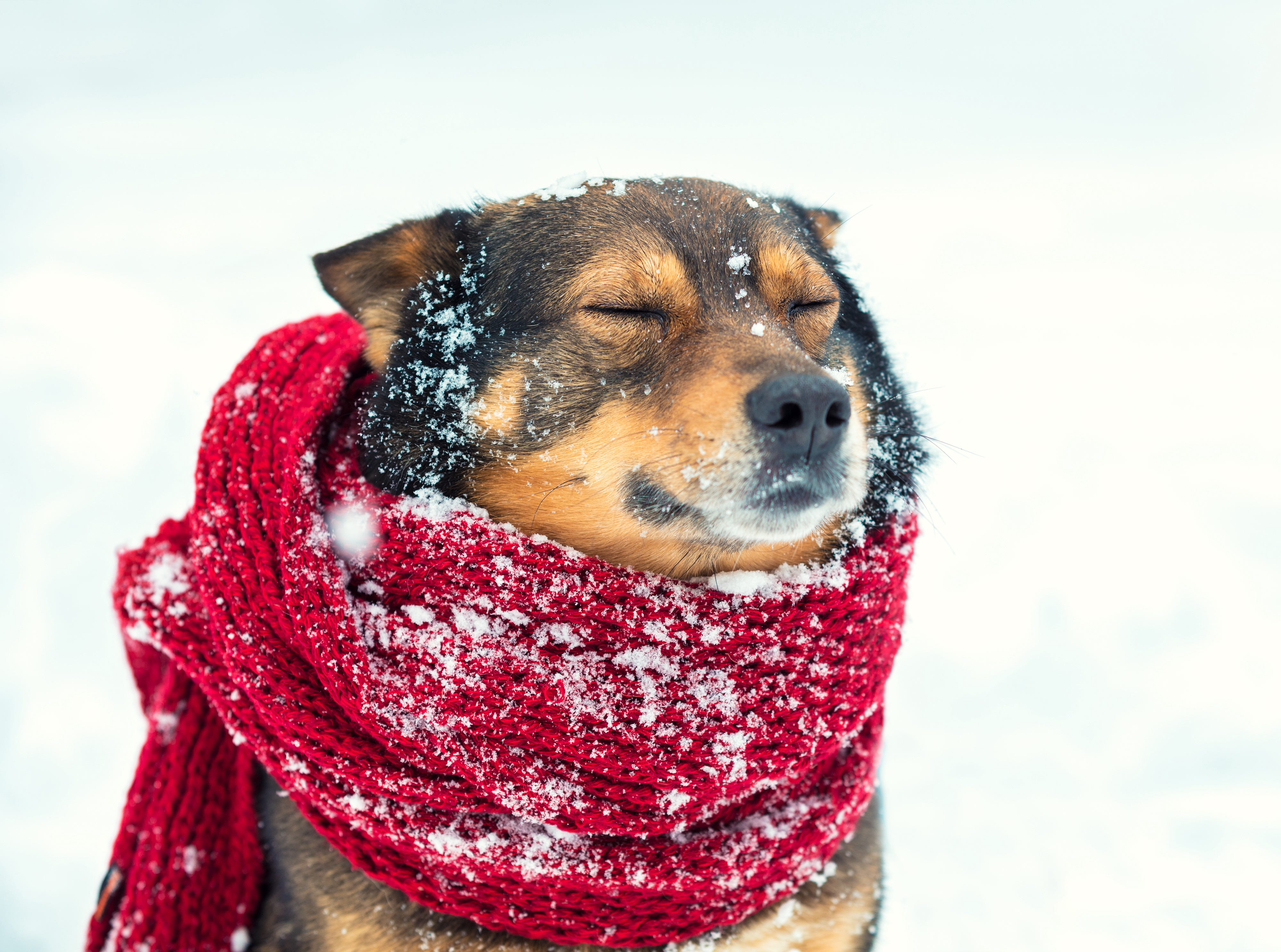
Dear Cat and Dog Loving Friends,
A blizzard is about to hit our City, and I want to share my thoughts about how to safely walk your dog during a big snowfall. Even dogs who love winter can struggle when snow, ice, wind, and slush all show up at once.
During a blizzard, remember that you are in charge of getting your dog home as safely and quickly as possible. This is not the time for long walks or new routes. Keep walks short and stick to familiar locations. Always stay away from slushy intersections, snowbanks, and metal surfaces like manhole covers and grates. Remember, metal objects such as lampposts, manhole covers and mailboxes can conduct stray electricity and give a serious electric shock when touched.
Don’t let your dog munch on snow. Snow in the City is contaminated with salt, chemicals, trash, rat poison and a million other things that just shouldn’t be ingested. If your dog is a compulsive snow eater, go out with treats and give small pieces to discourage eating snow. Offer lots of fresh water when you get home.
Coats are not just fashion statements! A well-fitting coat that covers the legs, back and underbelly is best for keeping your dog warm and dry. If you don’t have the perfect coat yet, put it on the shopping list to get as soon as you are able to get out and shop again. For this weekend use whatever you have. This is especially important for small dogs, short haired dogs, seniors and dogs with medical conditions – they need the extra warmth from a coat. Even when appropriately dressed, if your dog starts shivering or seems eager to turn back, regardless of its size, age or medical condition, listen to their body language and head home.
Snow mixed with salt and de-icing chemicals can be very irritating to paw pads. If you have booties for your dog, this is a good time to use them even if your dog doesn’t like them. Make the process of putting booties on and taking them off a little less unpleasant by giving a special treat during the process. I also like a product called Musher’s Wax, which is applied to your dog’s foot pads and provides a protective barrier against ice and salt. (The same product is used for sled dogs.) If you haven’t stocked up yet on Musher’s Wax you can use your thickest hand protection on your dog’s paws. Upon returning home, clean each foot with alcohol free, unscented baby wipes, or warm water on paper towel to remove any ice, snow, chemical residue and the protective emollient you put on them. Also, remember to carefully wipe their underbellies to remove any snow, ice or chemicals.
When you return home, if your dog is licking its feet, holding a paw up, or suddenly refusing to walk, it is likely that their feet are irritated from the cold, ice or chemicals. Check carefully between the toes for ice or debris. Look for cracks in their paw pads or inflammation of the tissues of their pads. Then, soak their feet in warm water to dilute away any chemical irritants and decrease inflammation of the tissues. I recommend using a flat bottom cooking pan with warm water and place one foot in at a time.
The snow will be over soon and with a little preparation and care we can keep our dogs safe outside.
Don’t despair, Spring is only 84 days away.
Please follow my instructions and I look forward to seeing photos of your dogs having a safe time in the snow.
All best,
Dr. Amy